What does PACS stand for?
PACS stands for Physical Access Control System. PACS manage who can enter a physical location, when they can enter, and what areas they are authorized to access. Rather than relying on traditional keys and locks, PACS use digital credentials and electronic readers to authenticate users before granting access.
Common PACS components include:
- Smart cards
- Mobile credentials
- Biometric authentication
- RFID card readers
- Door controllers
- Electronic locks
- Visitor management systems
What does IAM mean?
IAM stands for Identity and Access Management, referring to the technologies and processes used to verify digital identities and control access to applications, networks, cloud services, and enterprise resources.
While PACS protect physical spaces, IAM protects digital environments.
Modern IAM platforms commonly support:
- Single Sign-On (SSO)
- Multi-Factor Authentication (MFA)
- Passkeys (FIDO2)
- Smart card authentication
- Certificate-based authentication
- Identity governance
- Lifecycle management
- Privileged Access Management (PAM)
Examples of IAM platforms include:
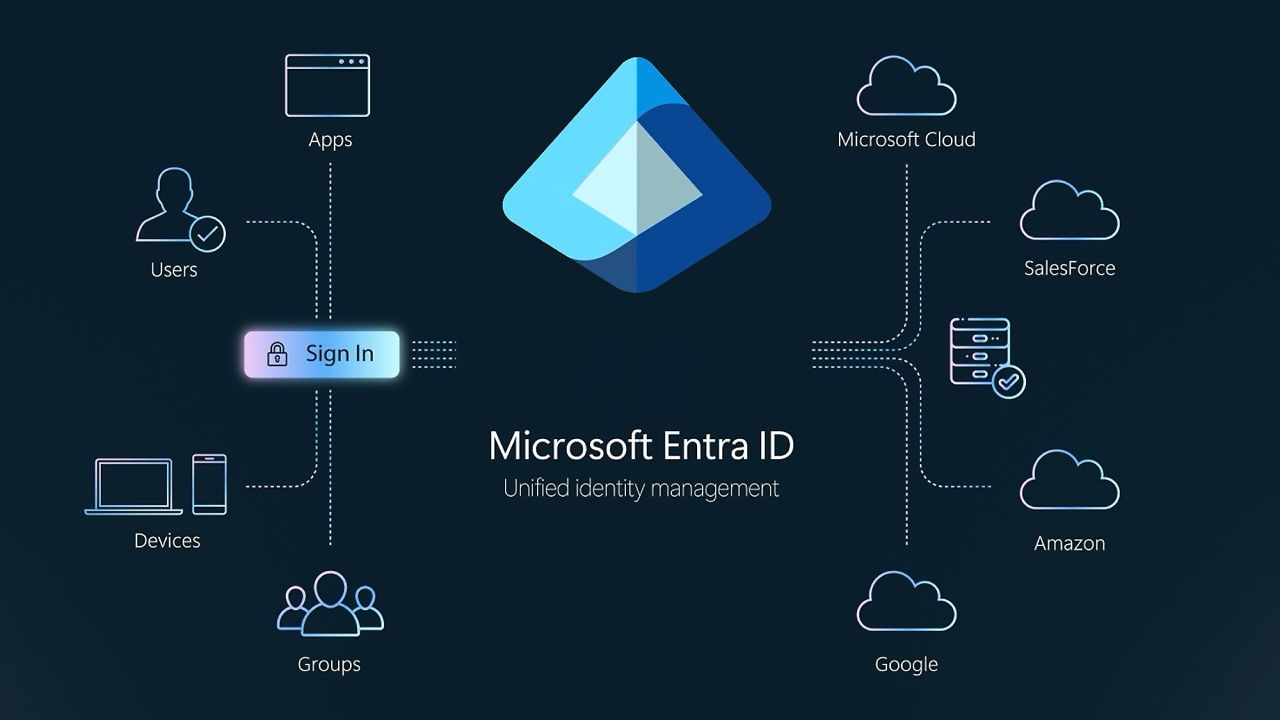
- Microsoft Entra ID
- Okta
- HID ActivID
- Versasec vSEC:CMS
PACS vs IAM: What's the Difference?
Although they serve different purposes, PACS and IAMs are becoming increasingly connected.
PACS.........................................................IAM
Controls physical access.....................Controls digital access
Doors and buildings...............................Applications and networks
Badge readers.........................................Login screens
Physical credentials..............................Digital credentials
Building security.....................................Cybersecurity
Security operations...............................IT operations
Historically, these systems were managed independently.
Today, organizations should use one identity to control access systems.
What is Converged Access?
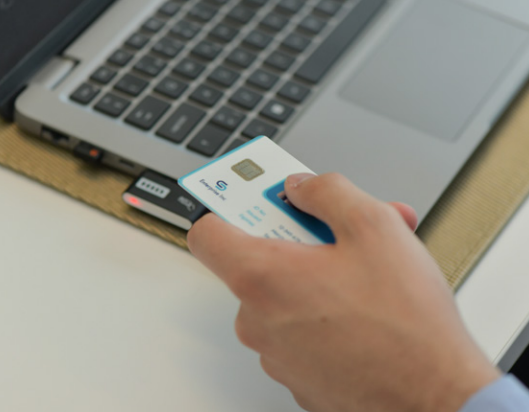
Converged Access is the integration of Physical Access Control Systems (PACS) and Identity and Access Management (IAM) into a unified identity framework. Instead of issuing separate credentials for building access and IT authentication, organizations can use one secure credential for both physical and logical access.
Examples of converged credentials include:
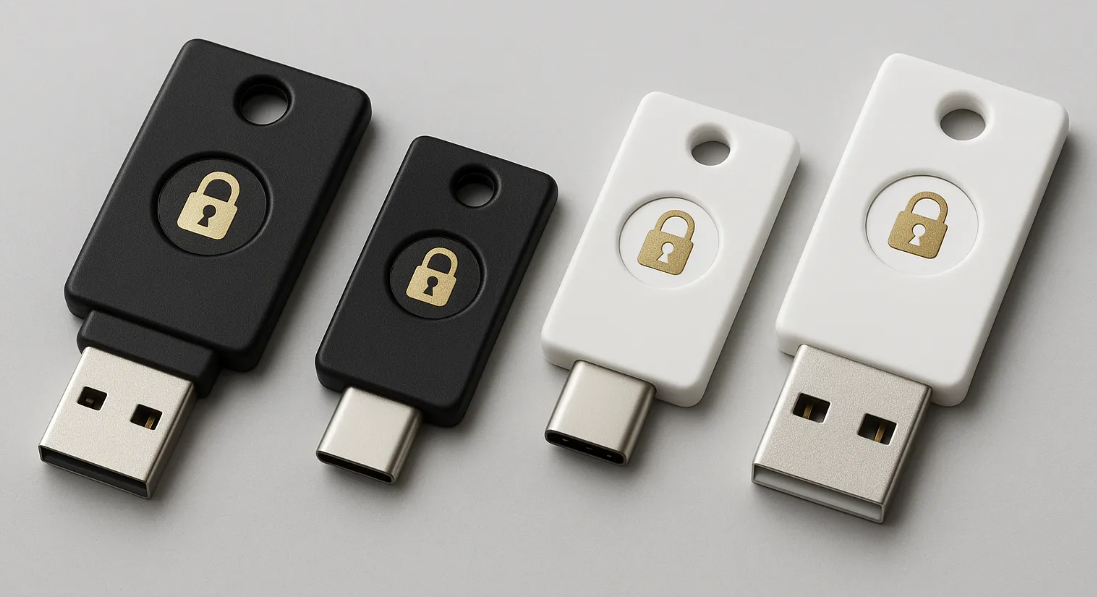
- FIDO2 security keys
- Smart cards
- PIV credentials
- HID Crescendo cards
- Mobile credentials
- PKI-enabled badges
Converged Access allows employees to:
- Unlock doors
- Log into Windows
- Authenticate to Microsoft Entra ID
- Access cloud applications
- Use passwordless authentication
- Verify identity for privileged systems
- Securely access remote networks
What are the Advantages of Converged Access?
- Stronger security: One trusted identity secured with phishing-resistant authentication reduces attack surfaces.
- Simplified user experience: Employees carry a single credential for both physical and digital access.
- Improved compliance: Unified identity management supports regulations such as NIST, CJIS, HIPAA, CMMC, and FIPS.
- Lower operational costs: Streamlined credential issuance, management, and revocation reduce administrative burden.
- Faster onboarding and offboarding: Automated identity lifecycle management ensures timely access changes across all systems.
- Support for Zero Trust: Every access request, whether to a door or a cloud application, is continuously verified.
The Future of Identity Security
The future of enterprise security lies in a unified identity that spans both physical and digital environments. As organizations adopt passwordless authentication, cloud-first architectures, and Zero Trust frameworks, the lines between PACS and IAM continue to blur.
By embracing Converged Access, businesses can strengthen security, simplify identity management, improve the user experience, and better protect critical assets in an increasingly connected world.
Whether you're deploying FIDO2 security keys, PKI smart cards, mobile credentials, or modern identity platforms, the goal is the same: one identity, one credential, and secure access everywhere. When physical and logical access come together under one credential framework, security is tighter, user experiences are better and modernization is easier.